
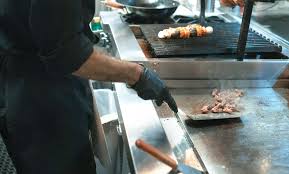
The sizzling griddle is the heart of the kitchen and the touchstone of a restaurant's quality. A top-notch steak or a juicy hamburger, when seared with fragrant charred lines, signifies the birth of deliciousness. However, if the griddle itself harbors grime and dirt, it might not only leave a scorching mark, but also create a "bad taste" that customers can detect from the first bite.
Even worse, if your kitchen is open plan, the pungent chemical odors from improper cleaning methods can ruin your customers’ dining experience before the steak even arrives.
Cleaning a commercial griddle is no easy task. It's not just a hygiene issue; it's a core operational concern that directly impacts flavor, efficiency, employee health, and operating costs.
The invisible "three killers" are eroding your profits and reputation
- Flavor killers: bitter "aged oil smell" and pungent "chemical smell"
Thick carbon deposits and old oil stains, when exposed to sustained high temperatures, produce a degrading "greasy smell," contaminating fresh ingredients. But equally deadly is the odor of the cleaning agent itself. Many strong degreasers have a strong, pungent odor that not only causes respiratory discomfort, coughing, and even allergies in employees, but if used in an open kitchen, this chemical odor can waft directly into the dining area, completely ruining customers' expectations.
- Efficiency killer: energy-wasting "insulation"
A thick layer of black carbon deposits on the griddle acts like a heat shield, severely hindering heat transfer and causing slow and uneven heating. This forces your chef to use a higher heat and wait longer, which, over time, not only slows down your meal but also means higher gas or electricity costs.
- Device killers: a vicious cycle of "permanent damage"
Physically scraping stubborn char with a wire brush or hard spatula can permanently damage the griddle surface, especially the delicate coating. These scratches can cause the griddle to become increasingly sticky with use, creating a vicious cycle. Even more dangerous is using incompatible, inferior cleaning agents, whose strong acids or bases can corrode the metal surface, not only damaging the griddle's luster but also potentially compromising food safety and ultimately significantly shortening the life of this expensive equipment.
Professional griddle maintenance guide: from material selection to ultimate tips
To say goodbye to the above killers, you need to establish correct maintenance habits and use the correct tools and methods according to the different materials of the griddle.
Step 1: Identify the material of your griddle
- Stainless Steel Griddle: The most common material, durable but easily scratched. Avoid using a wire brush. Use a specialized chemical cleaner with a scouring pad to preserve the surface finish.
- Coated/Chrome griddle: The surface is extremely fragile and any physical scratching is strictly prohibited. Use only non-corrosive chemical cleaning agents specified by the manufacturer or compatible with it.
- Cast Iron Griddle: The advantage is good heat storage, but it is prone to rust. When cleaning, use a hard tool to scrape off large debris, but avoid using too much alkaline detergent, as this will damage the oil film formed over time. After cleaning, it must be thoroughly dried and re-"cured" (apply a thin layer of oil and heat).
Step 2: Daily Cleaning Standard Procedure (SOP)
- Wear protective equipment: This is a critical safety step. Before proceeding to the next step, be sure to wear appropriate alkali-resistant gloves, goggles, and a face mask to fully ensure your personal safety.
- Safe coolingAfter closing, allow the griddle to cool naturally to the optimal cleaning temperature of 100-160°C. This temperature allows the cleaning agent to be most effective. Excessively high temperatures will cause the cleaning agent (griddle water/burner water) to evaporate instantly, significantly shortening its contact time with the grease and affecting its effectiveness.
Notice: Never pour ice cubes or large amounts of cold water directly onto a hot griddle. The extreme temperature difference may cause the metal to warp or crack. Turn off the heat first and let it cool naturally for a few minutes.
- Scrape off the residue: Use a professional griddle scraper (select the appropriate hardness according to the material) to scrape off large pieces of food residue on the surface.
- Apply professional cleaning agents: This step is crucial. You need a product that is compatible with most stovetop materials, has a low odor, and provides strong cleaning power.
- The CHAMPION 260 OVEN CLEAN is the ideal choice. Its revolutionary low-odor formula protects the dining environment and employee health, even in open kitchens. Its optimized alkaline formula effectively breaks down carbonized grease while ensuring it doesn't corrode or damage alkaline-resistant surfaces like stainless steel, restoring the oven's sheen.
- Waiting for reaction: Allow the cleaner to remain on the stovetop for several minutes to allow it to penetrate and break down stubborn stains.
- Wipe and clean: Use a damp cloth or a special scouring pad to wipe, you will find that the stubborn coke has turned into easily removable liquid dirt. Use a damp cloth with clean water to wipe repeatedly several times.
- Lemonade neutralization: Follow the "Pro Chef Tip" and give the surface a final wipe with lemon water to ensure there is no residue.
- Drying and curing: Dry thoroughly and condition if necessary. Cast iron griddles should be lightly oiled and heated briefly after cleaning to prevent rust.
From high-quality products to professional solutions: worry-free griddle cleaning
The correct process requires professional products and services. This is the core value of CHAMPION.
We offer more than just... 268 GREASE-MASTER Concentrated Oven Cleaner and Heavy Duty Degreaser These high-quality products, certified by HACCP and China Environmental Label (Ten Rings), offer a worry-free, one-stop experience. Our expert team will customize the most efficient and cost-effective cleaning solutions and processes for you based on your grill material, usage frequency, and operational needs. From a stable product supply to regular inspections by a dedicated account manager, we ensure your kitchen hygiene is always at its best, giving you peace of mind.
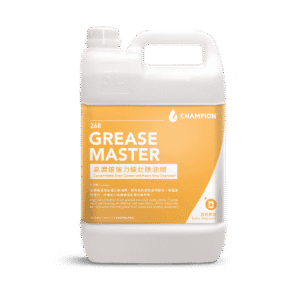
268 GREASE-MASTER Concentrated Oven Cleaner and Heavy Duty Degreaser
Take action now and say goodbye to griddle cleaning problems!
Don't let a dirty griddle or a bottle of pungent detergent affect the flavor of your dishes and your operating costs. Professional products and professional service are the best investment you can make to improve kitchen efficiency and customer satisfaction.
Click the button below to get a personalized griddle cleaning solution and product trial opportunities. Experience firsthand the low-odor, high-efficiency, equipment-friendly clean.
