
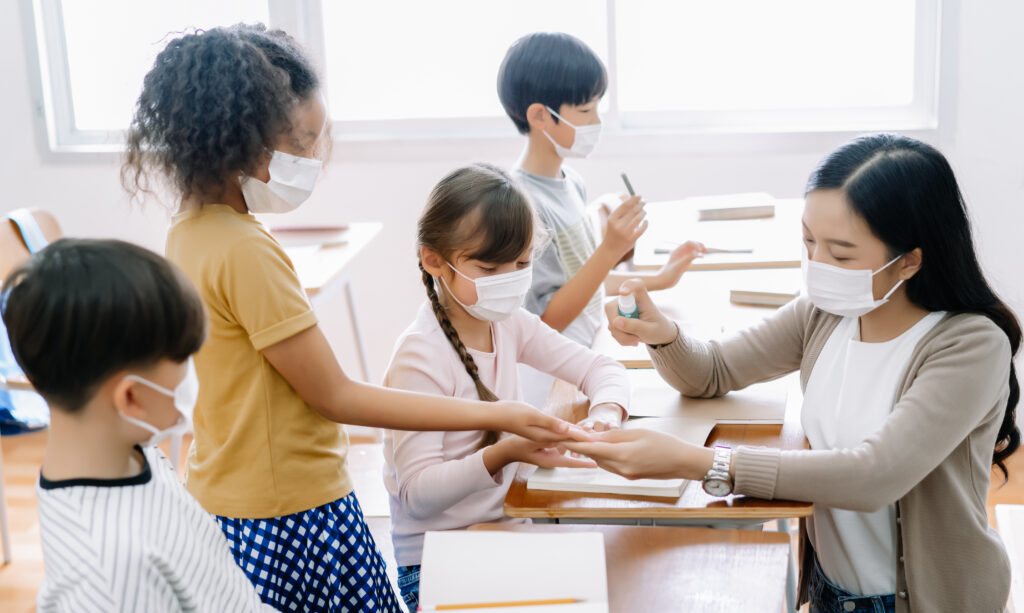
In early 2026, Hong Kong saw increased acute gastroenteritis activity, while norovirus outbreaks in institutions and schools also rose. At the same time, hand, foot and mouth disease activity remained a concern in Hong Kong, with the usual peak season running from May to July and a smaller peak also possible from October to December. For schools, it is far better to strengthen daily cleaning and prevention procedures in advance than to wait until cases appear before reacting.
Educational institutions are places where students and staff spend a significant amount of time together every day. Effective campus infection prevention affects not only health and attendance, but also parental confidence, the learning environment, and the school’s overall image. In recent years, two of the most common high-risk infectious concerns on campus have been hand, foot and mouth disease and acute gastroenteritis caused by norovirus. Truly effective prevention goes beyond routine cleaning. It requires a systematic campus hygiene management process that covers high-touch cleaning, hand hygiene, canteen and tableware cleaning, vomit or faecal contamination handling, and campus ventilation.
For broader school hygiene planning, please also refer toCampus Cleaning Solutions for Educational Institutions.
Why can't campus epidemic prevention rely solely on routine cleaning?
Many schools already carry out regular basic cleaning, but campus epidemic prevention is more demanding because different infectious diseases spread in different ways. Some are transmitted through contact with contaminated surfaces, while others can spread through droplets or improper food handling. That means campus cleaning should not focus only on visually clean floors. It must also include disinfection procedures for shared items, hand hygiene, restrooms, canteens, toy areas, and other high-contact or high-traffic locations.
In other words, the value of school cleaning services does not simply lie in whether cleaning is performed, but in whether there are clear standards in place: which areas must be cleaned multiple times a day, which situations require immediate enhanced disinfection, and who is responsible for isolation, reporting, and follow-up if a suspected outbreak occurs. These details are what determine whether campus epidemic prevention is truly effective.
Key high-risk cleaning areas on campus
1. Classrooms and shared learning areas
Desks, chairs, door handles, switches, shared stationery, bookshelves, toys, and teaching aids are all high-touch surfaces. This is especially important in kindergartens and primary schools, where students frequently touch and share objects. If only general surface cleaning is done while high-touch disinfection is overlooked, the risk of cross-infection rises significantly. These areas should be included in fixed daily cleaning and regular disinfection procedures, with additional treatment arranged according to frequency of use.
2. Playgrounds, play areas, activity rooms, andauditoriums
Slides, handrails, sports equipment, floor mats, playground structures, auditorium seat armrests, and entrance touchpoints are all high-risk areas because they are repeatedly touched by many different users. After large events, rainy days, or during periods of increased influenza or gastroenteritis activity, surface cleaning and disinfection of these contact points should be strengthened to reduce the risk of cross-contamination.
3. Changing rooms and sports-related facilities
Changing rooms, locker handles, benches, floors, and poorly ventilated corners are also high-risk areas that are often overlooked. If these spaces remain damp, enclosed, or prone to odour build-up, daily management should not focus only on floor cleaning, but also on surface hygiene and air circulation. School and kindergarten communicable disease guidance also emphasises the importance of maintaining airflow. Where needed, schools may assess the suitability of installing the PureZone® Bipolar Ion Air Purifier.
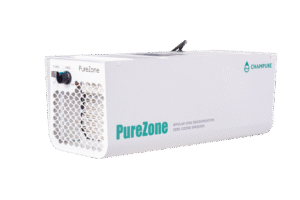
PureZone® Bipolar Ion Air Purifier
4. Canteens, snack bars, and tableware contact areas
Tabletops, chair backs, tray return areas, food serving points, food residue on the floor, and handwashing areas are all important parts of canteen hygiene management. For schools, canteens should not focus only on visible surface cleaning. They should also pay attention to high-touch cleaning before and after meals, prompt handling of food residue and spills, and clear tableware cleaning procedures in order to reduce the risk of food contamination and cross-infection.
5. Toilets and handwashing areas
Door handles, taps, flush buttons, and soap dispenser buttons are all ultra-high-frequency touchpoints and should be included in the daily cleaning and disinfection schedule. At the same time, schools must ensure an adequate supply of soap, clean water, and hand-drying supplies. Otherwise, even if the school promotes handwashing, it will be difficult to implement the habit properly.
How should schools strengthen disinfection measures during periods of high norovirus activity?
During peak periods of acute gastroenteritis, norovirus becomes a major campus hygiene risk. It is highly contagious and can spread through contaminated surfaces, food, hands, or particles in vomit. Many people assume alcohol-based hand sanitisers are enough, but when norovirus is involved, schools need to pay much closer attention to proper handwashing, incident response procedures, and immediate cleaning and disinfection of contaminated areas. The Centre for Health Protection also states that alcohol-based handrubs are not a substitute for handwashing with soap and water because alcohol is not effective in killing norovirus.
Practical measures for schools include:
1. Requiring students and staff to wash their hands with soap and water, especially after using the toilet, before eating, and after handling contaminated materials.
2. Immediately isolating anyone with vomiting or diarrhoea to prevent others from approaching or touching the contaminated area.
3. Cleaning and disinfecting contaminated areas according to guidelines, and replacing contaminated materials or cleaning tools as necessary.
4. Increasing the cleaning frequency of high-touch surfaces when needed, including door handles, desks, restrooms, and shared facilities.
For routine hygiene management of high-touch areas, schools may assess whether686 SANI-GUARD® Disinfecting Foamis suitable for the daily care of door handles, tabletops, and shared items. However, when vomit or faecal contamination is involved, formal incident response procedures should always take priority, and general surface disinfection alone should not be relied on.
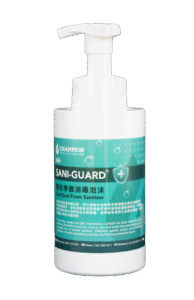
686 SANI-GUARD® Disinfecting Foam
Further Reading: Norovirus in Hong Kong 2026 | Is Alcohol Enough? Oyster Food Poisoning Surges, Upgrade to 686 Protection
Prevention of hand, foot and mouth disease: high-touch cleaning, proper handwashing, and early isolation are all essential
Hand, foot and mouth disease (HFMD) is one of the most common high-risk infectious diseases in Hong Kong schools, especially in kindergartens and primary schools. Because children are in close daily contact, toys, tabletops, door handles, and shared items can easily become transmission points. This means school epidemic prevention cannot stop at visible cleanliness alone. It must also cover environmental disinfection, personal hygiene education, and absence monitoring. The Centre for Health Protection points out that good personal and environmental hygiene is essential for preventing HFMD and enterovirus 71 infection.
Schools can strengthen HFMD prevention in three main ways:
First: thoroughly clean high-touch areas every day
Classroom desks, toys, shared items, door handles, and restroom touchpoints should all be included in fixed cleaning and disinfection procedures. During periods of higher activity or when a suspected case appears, the frequency should be increased. If the school wants to strengthen daily cleaning arrangements for high-touch areas, it may evaluate the use of 207 CU-7 Multipurpose Stain Remover as part of environmental surface management.

207 CU-7 Multipurpose Stain Remover
Second, establish proper handwashing habits.
Students should be required to wash their hands thoroughly with soap and water before meals, after using the toilet, after blowing their nose, and after play. The Centre for Health Protection also reminds the public that alcohol-based hand sanitisers cannot replace soap and water because they are not effective at killing some viruses that cause HFMD, such as enterovirus 71. If schools wish to optimise the supply and management of handwashing areas, they may also consider 226 SANICLEAN Antimicrobial Lotion Hand Soap.
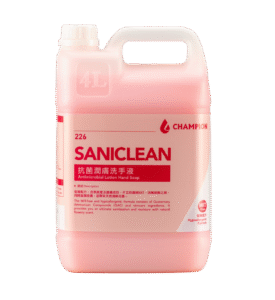
226 SANICLEAN Antimicrobial Lotion Hand Soap
Third, identify symptoms early and arrange isolation.
If a student develops symptoms such as fever, mouth ulcers, or rashes on the hands and feet, they should stay home and rest as soon as possible, rather than continue attending school and coming into contact with others. Early handling of individual cases is often far more effective than large-scale remedial action later.
Canteen hygiene and tableware cleaning: not just about epidemic prevention, but also daily management and staff efficiency
Campus epidemic prevention is not only about classrooms and restrooms. Canteen hygiene is equally important. For schools that provide lunch arrangements, the stability of the tableware cleaning process, the cleanliness of food-contact surfaces, and the timely removal of food residue and spills directly affect the overall standard of campus hygiene management.The Education Bureau and the Food and Environmental Hygiene Departmentboth place strong emphasis on reusable tableware management and proper cleaning procedures for food-contact utensils. In practice, tableware cleaning and disinfection should strictly follow five steps: remove food residue, wash with water and detergent, rinse thoroughly, disinfect with boiling water or disinfectant, and finally air-dry. If a dishwasher is used for cleaning and disinfection, it should not be overloaded and should be maintained regularly. Clearer procedures help improve canteen hygiene, reduce repeated manual handling by staff, shorten clean-up time, and make lunch arrangements more stable.
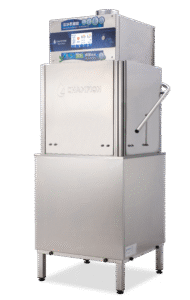
As schools gradually move from disposable tableware to reusable systems, the equipment and processes for cleaning tableware become even more important. These arrangements not only improve canteen hygiene, but also align with waste reduction and sustainability goals. The Education Bureau encourages schools to promote reusable tableware, water bottles, and food containers in its eco-friendly lunch arrangements, and to adjust lunch arrangements in response to plastic-reduction requirements. Schools may also keep an eye on green campus, eco-lunch, and plastic-reduction grants orsubsidies announced by the government and relevant departments from time to time.If the school is considering related equipment, it may also explore the AS-100 (HeatPLUS) Smart Energy-Saving Hood-Type Dishwasher.
Campus ventilation and air management: Air circulation is equally important
Campus ventilation has always been a crucial part of epidemic prevention. Classrooms, auditoriums, reception areas, restrooms, and activity rooms can easily accumulate droplets, odours, and indoor air quality issues when left enclosed or crowded for long periods. Maintaining air circulation should therefore be a basic requirement for schools, while air management equipment can serve as a supplementary measure in daily operations. Relevant school prevention guidelines also emphasise the importance of airflow.
For indoor air quality and supplementary air management, schools may refer to thePureZone® Bipolar Ion Air Purifier.
PureZone® Bipolar Ion Air Purifier
How can Champion help schools establish a more comprehensive campus hygiene management process?
For many schools, kindergartens, and educational institutions, the challenge is not just knowing what should be done, but turning campus cleaning, school disinfection, canteen hygiene, campus ventilation, and incident response into a practical process that can actually be implemented.
The Champion team can assist in organising cleaning frequencies for high-touch surfaces, canteen and tableware cleaning arrangements, daily cleaning procedures, incident response priorities, and on-site hygiene management recommendations based on the school’s actual environment. This helps ensure that school cleaning services are not carried out in a fragmented way, but instead gradually form a clearer campus epidemic prevention framework. Whether it is routine maintenance, enhanced cleaning of key areas, or risk management during peak periods, arrangements can be adjusted according to the type of school building, student age group, and usage patterns.
Champion 686 SANI-GUARD® Disinfecting Foamis designed to support daily protection in campus settings where frequent contact and shared surfaces are common.
686 SANI-GUARD® Disinfecting Foam
Take immediate action to establish a more systematic campus epidemic prevention process
If you are looking for more stable campus cleaning services, or wish to review your current campus epidemic prevention, canteen hygiene, and campus ventilation arrangements, you may start with theCampus Cleaning Solutions for Educational Institutions,orimmediatelyContact Usto learn more about cleaning and epidemic prevention arrangements that are suitable for your school environment!
Frequently Asked Questions (FAQ)
Q1. If an infectious disease outbreak is suspected on campus, what should be the first step?
It is recommended to first isolate the affected person appropriately to prevent contact with other students and staff. The school should then notify parents and relevant personnel according to internal procedures, while also assessing whether the affected area requires immediate cleaning and disinfection.
Q2. If there is vomit on campus, is it okay to just spray alcohol?
No. When vomit or faecal contamination is involved, the contaminated area should be handled according to formal incident-response procedures, rather than relying only on general alcohol spraying or routine surface cleaning.
Q3. When is it appropriate for students with hand, foot and mouth disease to return to school?
Generally, students should return to school only after fever and obvious symptoms have subsided, in accordance with the school’s requirements and the actual situation. Schools may also establish clear return-to-school guidelines to reduce the risk of repeated transmission.
Q4. Can air purification equipment replace campus ventilation?
No. Maintaining air circulation remains a fundamental requirement. Air management equipment is more suitable as a supplementary solution to improve indoor air quality and overall environmental comfort.