

Hong Kong is currently experiencing a severe flu season. According to...News reportIn just 11 days, Hong Kong has recorded nearly 300 influenza outbreaks in care homes or schools, with more than 2,700 people infected and 34 adults tragically dying. These alarming figures are not just statistics; they represent a heavy blow to families, communities, and the operations of various industries.
As your professional partner in health solutions, we understand that the food service industry, property management, and educational institutions are on the front lines of protecting public health. Crowded environments, such as restaurants, building common areas, and campuses, are undoubtedly high-risk locations for virus transmission. At this critical time, we have a responsibility to provide expert knowledge and strategies to help you fully understand influenza and take the most effective preventative measures to minimize risk.
1. Understanding Influenza: Why is it more threatening than the common cold?
Influenza (flu) is an acute respiratory infectious disease caused by the influenza virus. It spreads rapidly, affects a wide range of people, and can lead to serious complications, which makes it fundamentally different from the common cold.
1.1 The difference between influenza and the common cold
Many people confuse the flu with the common cold. Although they share some similar symptoms, their pathogens, severity, and impact are vastly different.
| feature |
Influenza (influenza) |
Common cold |
| Pathogens |
Influenza viruses (types A, B, C, and D) |
Up to hundreds of viruses (such as rhinovirus and adenovirus) |
| Onset speed |
Suddenly, the symptoms developed rapidly. |
Gradual, slow |
| Severity of symptoms |
Severe, mainly systemic symptoms |
Mild symptoms, mainly upper respiratory tract symptoms |
| fever |
commonTypically above 38°C |
Occasional or mild fever |
| Systemic symptoms |
Significant fatigue, headache, and muscle aches ("first fever, second pain, third fatigue") |
slight |
| complication |
It may lead to serious complications such as pneumonia, bronchitis, myocarditis, and encephalitis. |
rare |
| Recovery time |
It takes a relatively long time, approximately 1 to 2 weeks, to recover. |
It takes a short time to recover, usually within a few days. |
In short, you can remember the flu's "first fever, second body aches, third fatigue" rule:Fever, headache, muscle aches, extreme fatigue.
1.2 Flu symptoms
According to the Centre for Health Protection and medical literature, typical symptoms of influenza include:
- high fever(Usually above 38°C), feeling cold
- Sore throat
- cough(Mostly dry cough)
- Headache
- Muscle and joint pain
- Severe physical fatigue
- runny nose, nasal congestion
- Children may experience vomiting and diarrhea.
1.3 Complications of influenza
For most healthy individuals, the flu will resolve on its own within one to two weeks. However, for those with weakened immune systems, the flu can lead to serious, even fatal, complications, including:
- bronchitis (Most common)
- pneumonia(Viral or bacterial)
- encephalitis(Brain inflammation)
- Myocarditis(Heart muscle inflammation)
- septicemia
- Other secondary bacterial infections
These complications are the leading cause of influenza-related deaths.
1.4 People at high risk of influenza
While healthy individuals can also be affected by the flu, the following high-risk groups are more likely to experience serious complications or even death once they contract the disease, requiring our special attention and protection:
- Infants and young children(Especially children under 5 years old)
- Senior citizens(65 years or older)
- Pregnant women
- Patients with chronic diseases(such as heart disease, diabetes, asthma, etc.)
- People with weakened immune systems(e.g., those undergoing chemotherapy, or AIDS patients)
- Medical and nursing home staff
1.5 Danger signs in infants and children
For children, especially those under five years old, parents and schools should be alert to the following warning signs and seek medical attention immediately:
- Difficulty breathing or shortness of breath: rapid breathing, wheezing, or bluish lips.
- Neurological symptoms: confusion, persistent dizziness, seizures, or slowed reaction.
- Persistent high fever: High fever that does not subside or high fever that recurs after the fever has subsided.
- Severe dehydration: persistent vomiting or diarrhea, resulting in reduced urine output or no tears when crying.
1.6 How does influenza spread?
Understanding the transmission routes is key to prevention. Influenza viruses are primarily transmitted through the following two methods:
- Droplet transmissionWhen patients cough, sneeze, or talk, they spray virus-laden droplets into the air, which can infect people around them if inhaled.
- Contact transmissionWhen your hands touch surfaces contaminated with the virus (such as door handles, elevator buttons, tabletops, and tableware), and then you touch your mouth, nose, or eyes, the virus can have a chance to invade your body. The virus can survive briefly on object surfaces.
1.7 How to treat flu symptoms? Home care 3Key Points
Most flu patients recover on their own, but if symptoms persist or worsen, seek medical attention immediately. Key points of home care include:
- Adequate rest and hydration: Patients should get enough sleep, drink plenty of water, and eat nutritious, easily digestible foods.
- Isolation and Hygiene: Patients should wear surgical masks, should not go to work or school, and should avoid crowded places. Cover your mouth and nose with a tissue when sneezing or coughing, and wash your hands thoroughly immediately.
- Follow your doctor's instructions: Antiviral drugs can alleviate symptoms and shorten the duration of illness, but they must be taken with a doctor's prescription. Antibiotics are for treating bacterial infections, not viral infections; taking antibiotics will not cure the flu or speed up recovery.
1.8 The flu is highly contagious! 6Pay attention to major risks
Influenza is highly contagious, and any factor that contributes to viral transmission and infection should be considered a risk factor. In addition to the high-risk individuals mentioned above, environmental and behavioral risks should not be overlooked:
- Crowded places such as schools, residential buildings, offices, and restaurants pose an extremely high risk of virus transmission.
- Poor air circulation: Enclosed spaces increase the concentration and range of droplet transmission.
- Poor personal hygiene habits: such as not washing hands frequently and touching the mouth and nose indiscriminately.
- Poor environmental hygiene: Shared items and frequently touched surfaces (such as door handles, elevator buttons, and dining tables) are not regularly and thoroughly disinfected.
- Weakened immunity: Irregular work and rest schedules, unbalanced diet, and lack of exercise.
- Unvaccinated: The flu vaccine is the most effective way to prevent influenza and its complications.
2. Comprehensive Influenza Prevention: Corporate Response Strategies
In the face of the threat of influenza, catering, property management and schools must establish a comprehensive health defense system covering "people, things and air".
First line of defense: Strengthening personal hygiene and health management
- Promote vaccinationEncourage employees, residents, and schoolchildren to get vaccinated against seasonal influenza, as this is currently the most effective prevention method.
- Wash your hands frequentlyProvide ample soap and water, or hand sanitizer containing 70-80% alcohol, in public areas (such as restrooms, tea rooms, and entrances). Post posters showing proper handwashing steps to remind people to thoroughly clean their hands after touching their mouth, nose, eyes, or public facilities.
- Establish health management:Develop clear guidelines and establish a health declaration mechanism for employees and students. If flu symptoms appear, they should immediately request leave and seek medical attention.
- Maintain respiratory etiquetteWhen coughing or sneezing, cover your mouth and nose with a tissue and immediately dispose of the tissue in a covered trash can.
Second line of defense: Thoroughly disinfect environmental surfaces and objects.
Personal hygiene alone is not enough; a clean and safe environment is key to breaking the chain of virus transmission.
- Targeted disinfection of high-frequency contact pointsEstablish and implement a strict cleaning and disinfection schedule, using professionally certified disinfectant chemicals that are effective in killing influenza viruses, and clean the following high-risk areas multiple times daily:
-
-
- Property ManagementElevator buttons, door handles, handrails, intercom buttons, clubhouse facilities.
- F&B Industry: Tables, chairs, menus, condiment bottles, cashier, restrooms.
- SchoolClassroom door handles, desks and chairs, computer keyboards, teaching aids, and playground equipment.
-
- Clean first, then disinfectWhen performing cleaning and disinfection, always follow the golden rule of "clean first, then disinfect." Use a suitable cleaning agent first to remove surface dirt, dust, and organic matter, as these contaminants can significantly reduce the effectiveness of the disinfectant.
Our proposalWe offer highly effective and safe disinfection products that can effectively combat influenza viruses, and we can provide professional training on their use for your cleaning team.

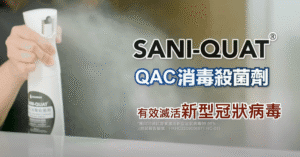
650 SANI-QUAT QAC Disinfectant Sanitizer Empirical evidence shows that it can kill the novel coronavirus in 2 minutes.
The third line of defense: improving indoor air quality
Influenza viruses can spread through droplets in the air, especially in poorly ventilated indoor environments.
- Natural ventilation:Keep indoor air circulating as much as possible and open windows regularly.
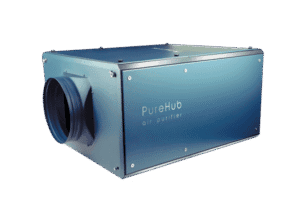
- Air purifier:In places where continuous ventilation is difficult (such as some classrooms, meeting rooms, and elevators), high-efficiency air purifiers should be considered. These devices should be capable of effectively filtering and killing viruses in the air, for example, by being equipped with HEPA filters and ionization technology to reduce airborne pathogens at the source.
Our proposalOur professional-grade air purifiers, equipped with HEPA filters and bipolar ion technology, effectively filter airborne particles and capture tiny pollutants, including viruses, significantly reducing the risk of airborne transmission and providing an extra layer of protection for your space.
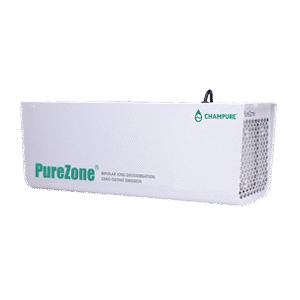
PureZone® Bipolar Ion Air Purifier
Take immediate action to build a safe environment.
Influenza outbreaks are not only a public health event, but also a major challenge to the operational capabilities of businesses and institutions. Hygiene issues in the food service industry may lead to closures, outbreaks in managed properties may affect tenant confidence, and school closures may disrupt students' learning progress.
Investing in comprehensive hygiene solutions is investing in sustainable operations and social responsibility. Our professional cleaning and disinfection chemicals and advanced air purifiers are key tools for building a strong hygiene defense. During this flu season, let's work together to safeguard the health and safety of our employees, customers, and students through the most professional and comprehensive hygiene management.
We would be happy to provide one-time service for your specific venue (whether it's a restaurant, a campus, or a managed property).Free environmental health risk assessmentAnd tailor the most suitable flu prevention plan for each individual.
Please click now[Contact Us]Contact us and let's work together to create a safer, healthier environment for your employees, customers, and schoolchildren this flu season.
References
Seasonal influenza. Centre for Health Protection, Department of Health.
https://www.chp.gov.hk/tc/healthtopics/content/24/29.html
Influenza. Department of Health Elderly Health Services
https://www.elderly.gov.hk/tc_chi/health_information/infections/influenza.html
Influenza (flu)
https://info.health.nz/languages-alternate-formats/languages/traditional-chinese/flu